
How Much Does an Interior Design Project Cost?
If you're planning an interior design project, one of the first questions on your mind is probably how much it will cost. The honest answer is that there is no simple answer. The cost depends on the size and complexity of the room, how elaborate the design is, and the quality of the products chosen, which can vary widely even within the same style. Two "similar" living rooms can land in completely different budgets based on these factors alone. Understanding what drives that cost is what helps a client manage their budget, and that is the real value a designer brings: the expertise to help a client spend intentionally rather than guess.
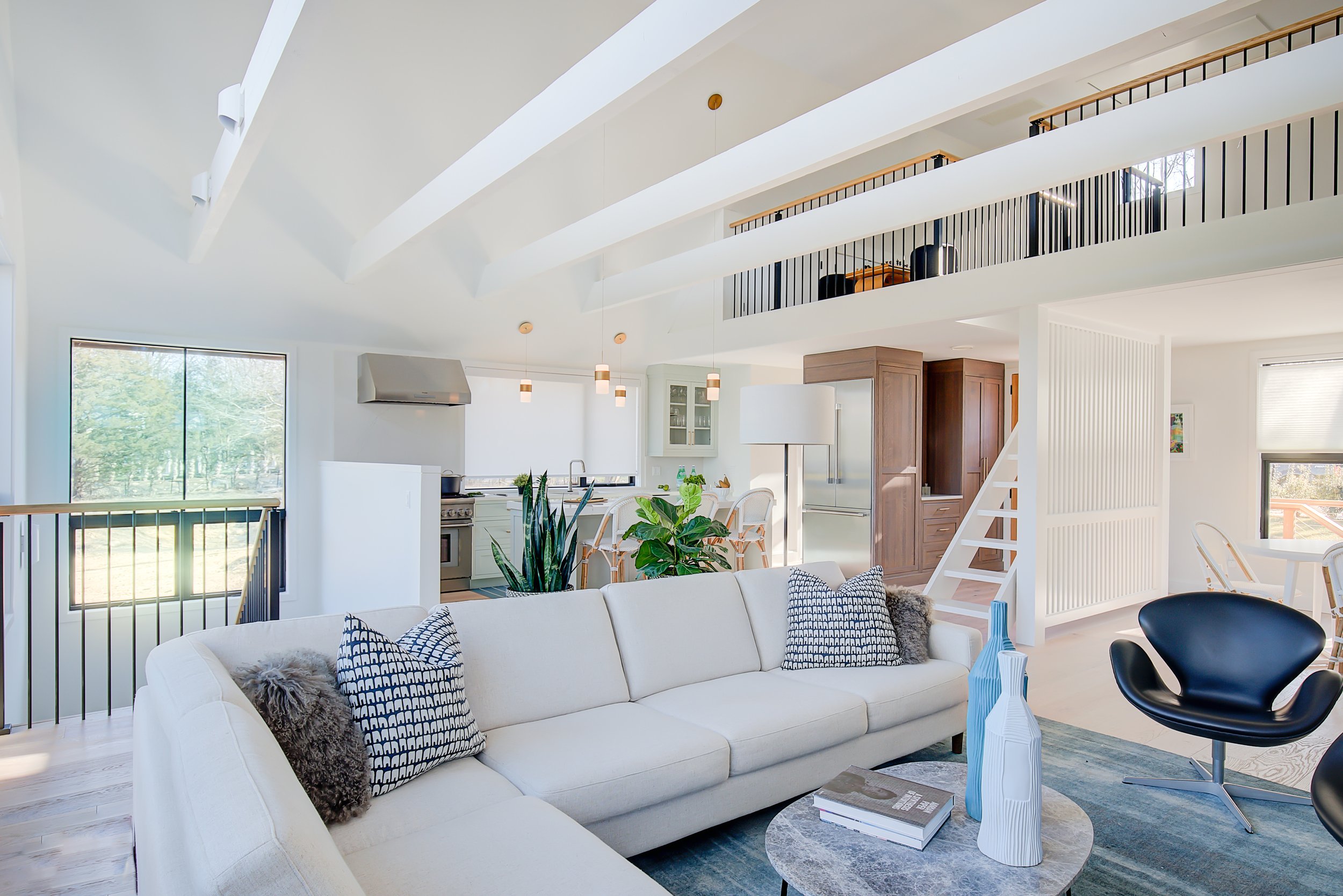
Knowing where to save and where to invest matters most. Rugs, faucets, specialty kitchen inserts, and smaller accent pieces are often replaced more frequently and see less daily use, so they are a reasonable place to save. A sofa, a dining table, and finishing touches like unique wallpaper, art, or special lighting are worth investing in, since these are used daily and elevate a room from ordinary to distinctive.
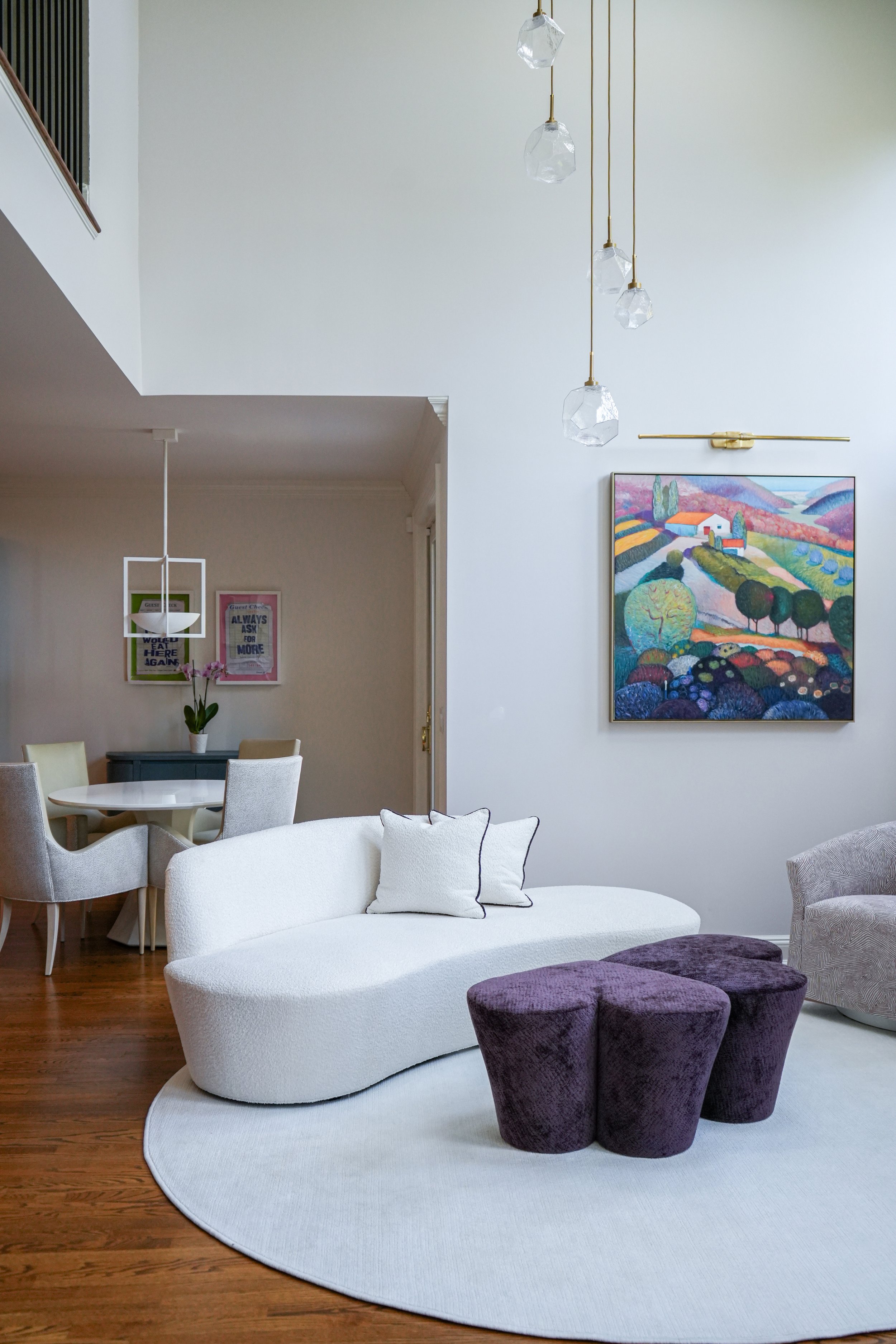
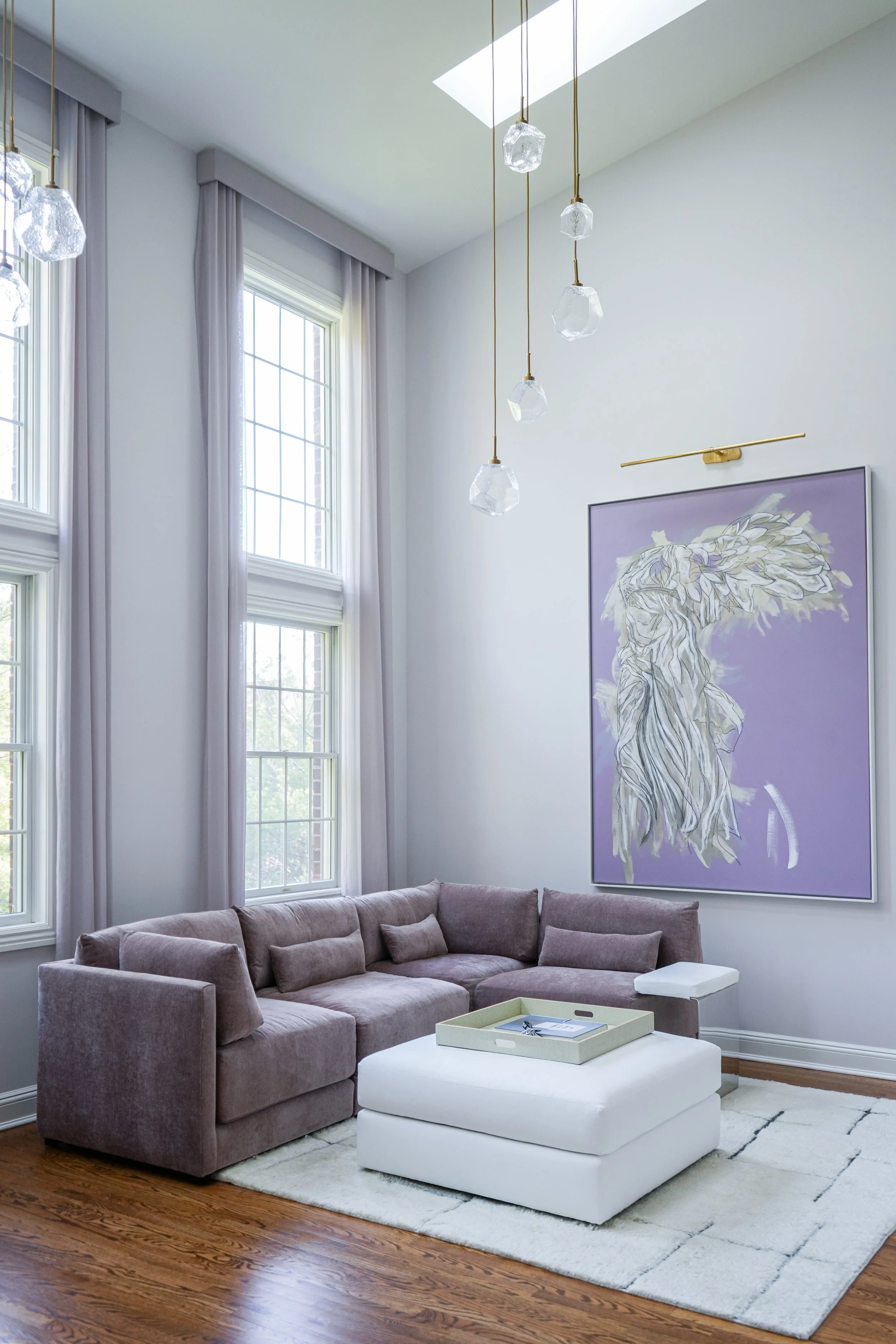
We never present a client with a single design and price; instead, we offer options, such as Room A, B, and C, that vary in the level of detail or, for example, fabric quality, so clients can decide where to invest and where to scale back. Staying committed to a direction also matters, since a finished design often represents 100 to 300 hours of work, and revisiting it after the fact means starting much of that work over again, which is one of the most commonly overlooked costs of a project, since revisiting a completed design adds back many of those hours and the design fee increases accordingly.
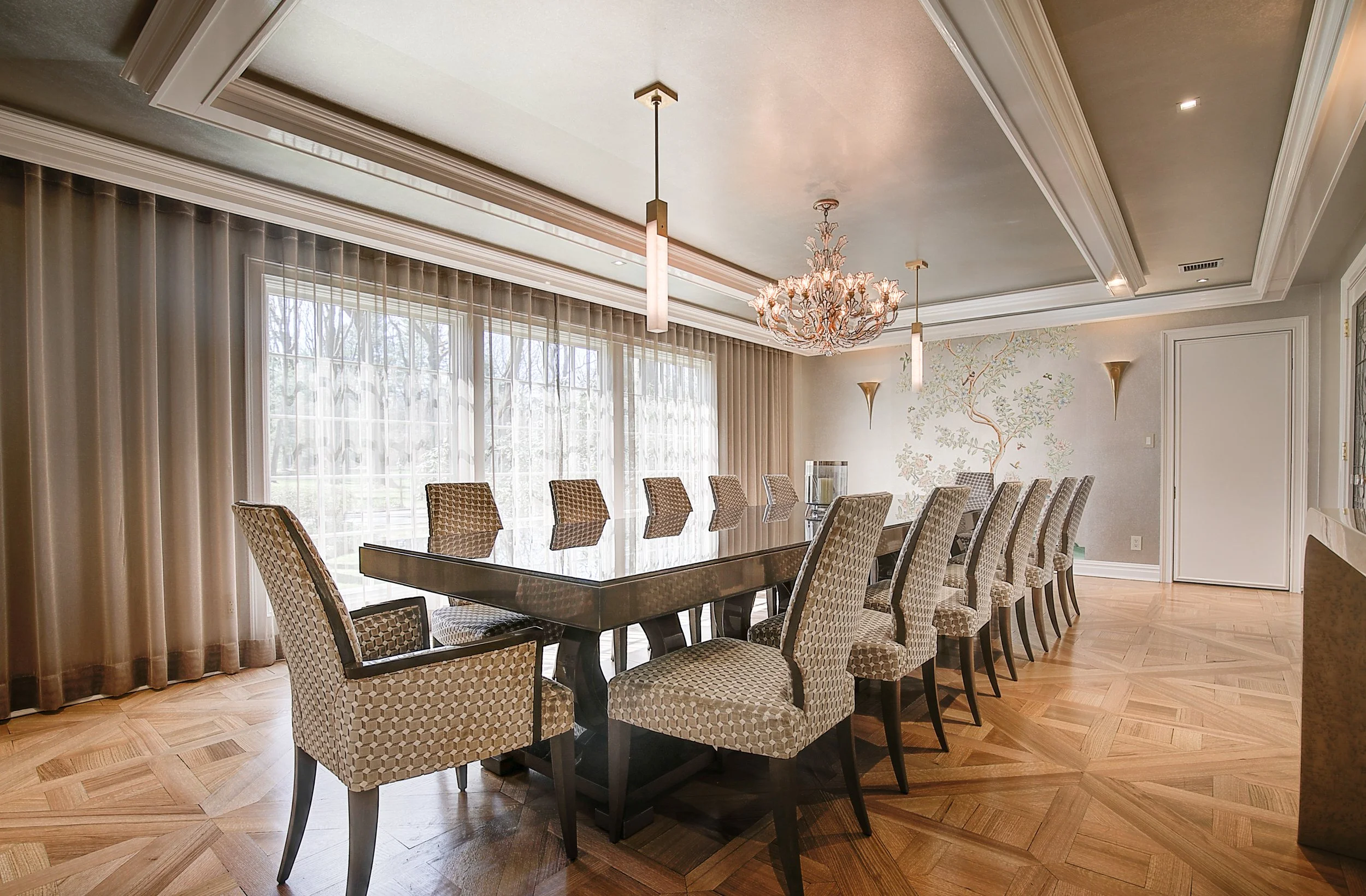
Not every recognizable brand is the safest choice, either. Early in our experience, we worked with some well-known retail brands and, on more than one occasion, ran into products with recurring defects even after replacement, including a leather sofa that was left in the street rather than delivered to the home. Situations like that taught us to look beyond brand recognition and pay closer attention to how a piece is actually made as well as the customer service provided by the vendor. Over time, that experience helped us build a deeper knowledge of where the best value truly comes from. Today, the better-made, better-value option often comes from a manufacturer clients have never heard of, and knowing where to find it is something we've developed through years in the industry.