
AI Interior Design: How We Actually Use It (And Where It Falls Short)
A client texted us early one morning, asking which AI tool she should use to design her front-yard landscaping. Clients inquire about AI design on occasion, and it points to a misconception we run into often: that you can simply ask an AI tool to do the design work and, ta-da, it's done. It's definitely not that simple. For interior or landscape design, it takes patience and real knowledge that AI can't shortcut. That client ultimately hired a professional landscape designer to create her project.
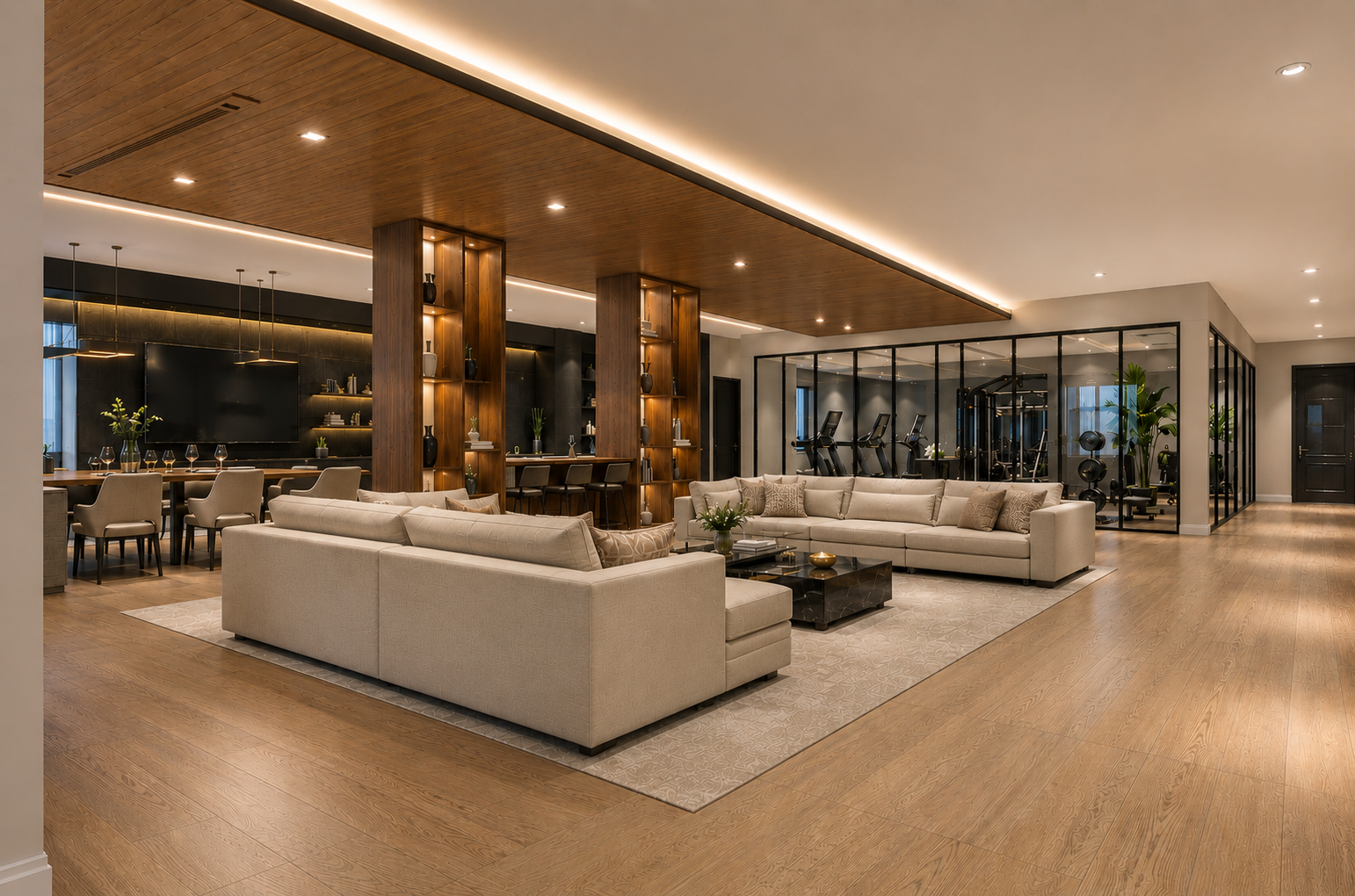
How We Actually Use AI
AI rendering has become a genuinely useful part of how we work, but probably not in the way most people searching "AI interior design" expect. We still build every floor plan ourselves using CAD, a precise two-dimensional design program, because AI simply isn't accurate with measurements. We've asked for a 14-foot ceiling and watched it generate a 20-foot one instead.
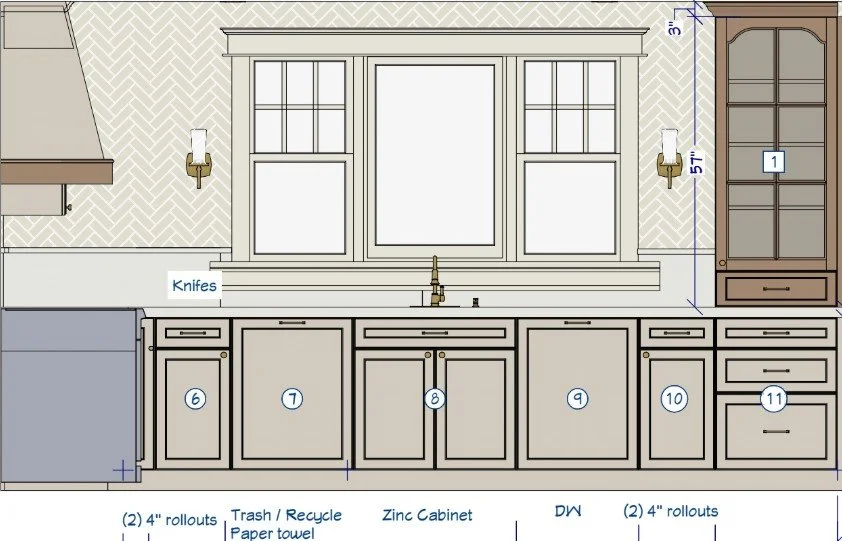
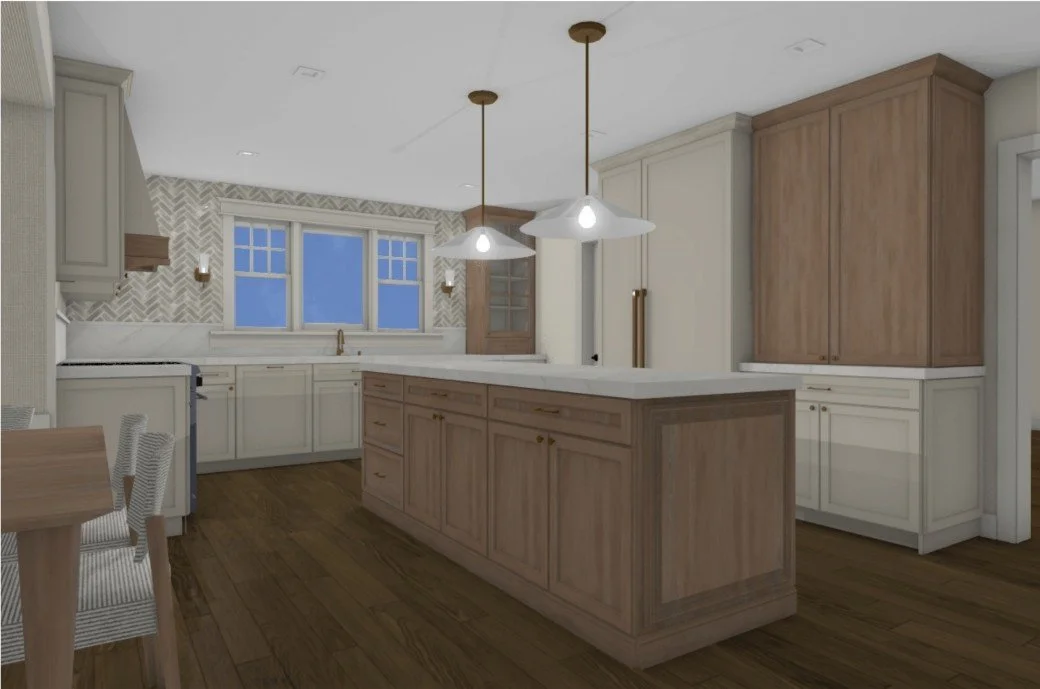
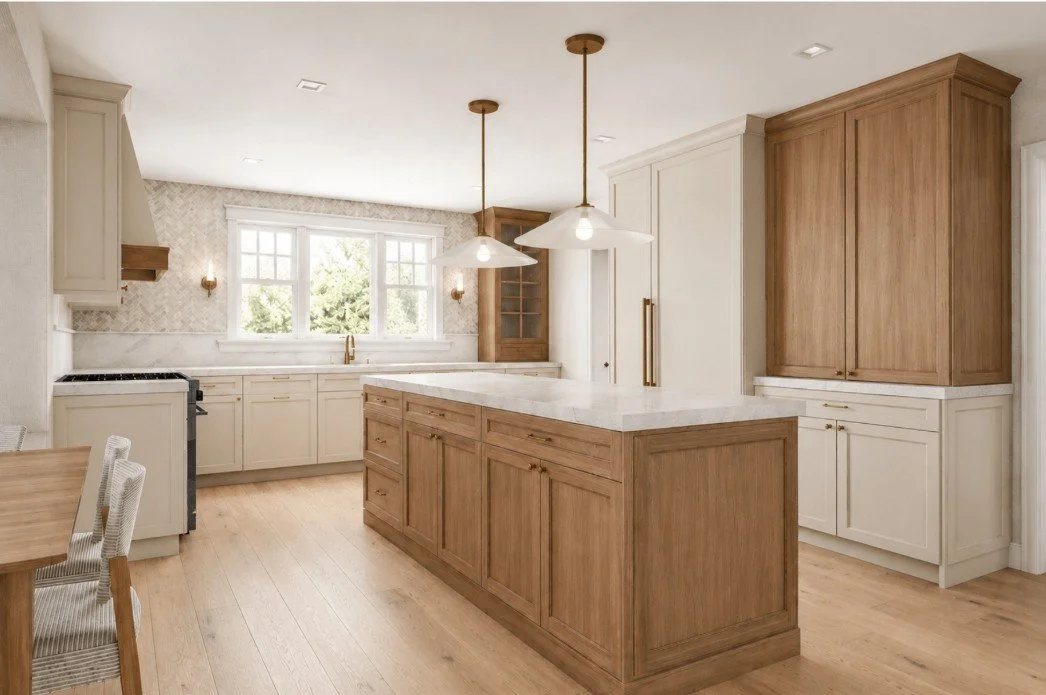
Once we've completed an accurate CAD floor plan, we import the furniture we're recommending to help clients envision the space, and we use AI to develop beautiful, realistic renderings. It takes time, a lot of patience, and some tweaking, but it works. For kitchen design specifically, we use a different in-house program called Chief Architect to build the rendering, then make it even more visual with AI. Either way, AI never replaces the accurate groundwork. It builds on top of it.
Is AI Accurate for Interior Design? What We Want You to Know
If you're researching AI tools to plan your own renovation, here's the honest truth: AI is only as accurate as the information you give it. As our designers put it, AI can easily misinterpret proportions, structural details, or material applications if the input behind it isn't precise - a rendering can look beautiful at first glance while getting a dimension or material completely wrong underneath.
That's why we always build accurate 3D models, detailed drawings, and clear material specs first, then carefully review every AI-assisted rendering against the real design before it goes anywhere near a client. AI is a powerful tool, but it still needs professional oversight to make sure what's on screen is what actually gets built.
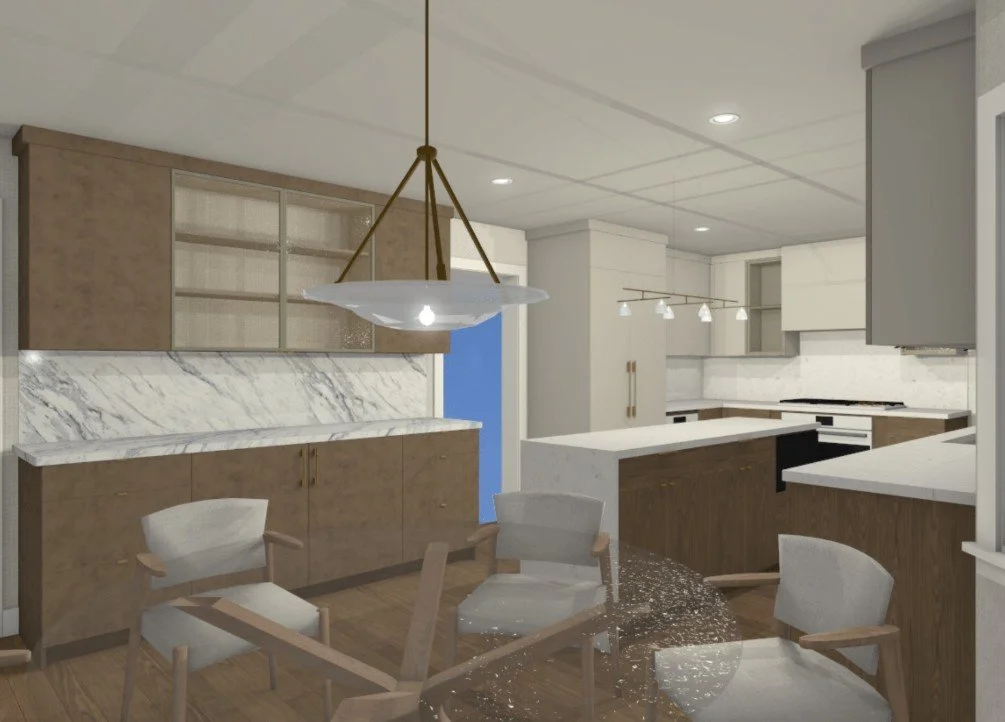
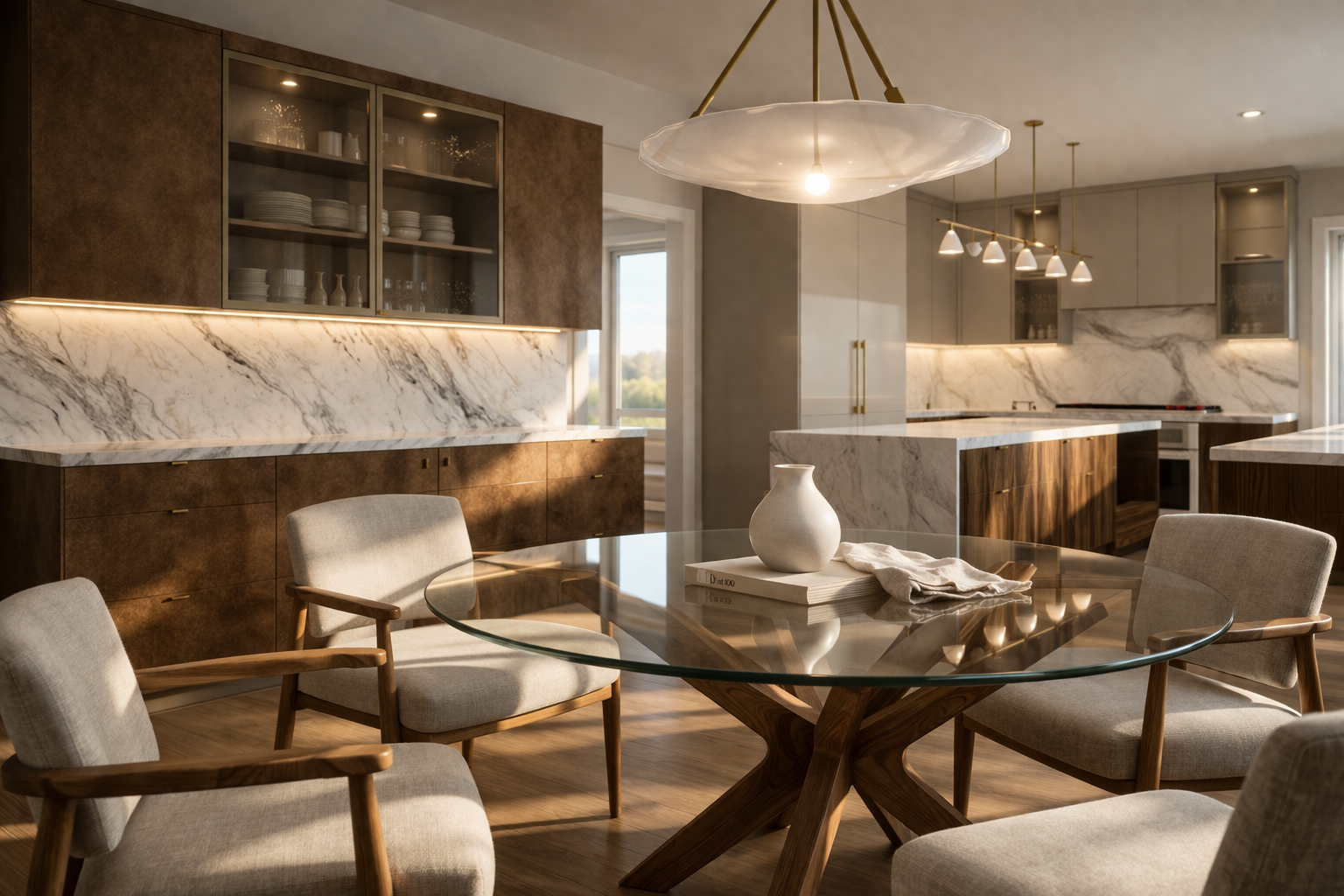
AI vs. Hiring a Designer: Our Take
The biggest misconception we come across is that AI can replace a professional designer simply because it can quickly generate something that looks like a finished design. It can't. Design isn't just a rendering; before any visual gets made, there's a client's lifestyle to understand, architecture to work within, functionality to plan for, and construction details that have to hold up in real life. AI doesn't replace any of that thinking.
What it has done exceptionally well for us is speed up decisions. Clients who used to struggle to picture a space from floor plans and material samples alone can now see it brought to life, and conversations that once took several meetings and rounds of revisions are resolved much faster.
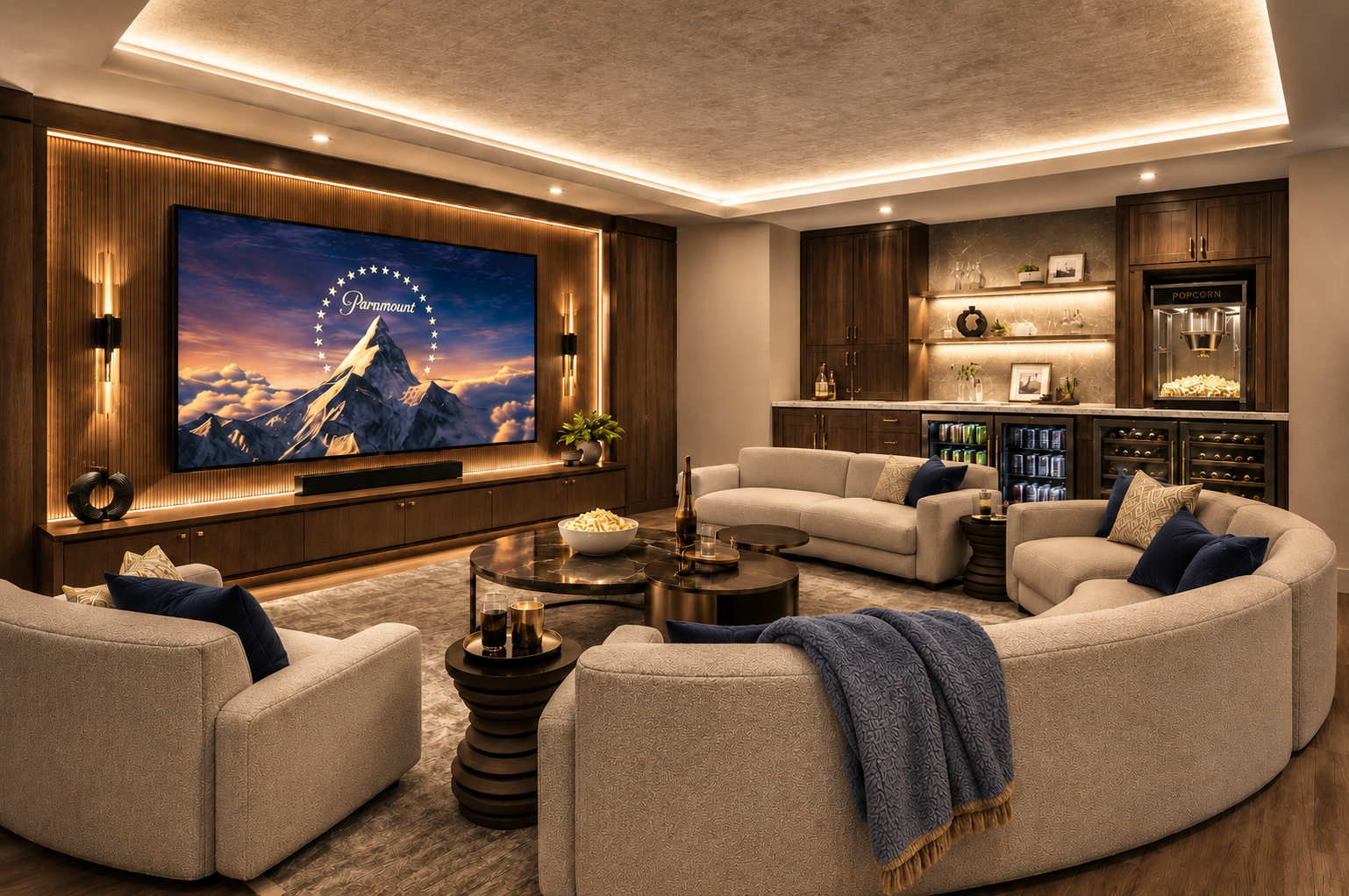
So would we tell you to design your own space with AI? That depends on what you need. AI tools are a fun way to browse styles and get inspired. But if you want a design that's actually accurate to your space and unique to your lifestyle, and you want to avoid the frustration our landscaping client ran into, a professional with the right tools and experience is still the way to go. If you're tempted to skip straight to an AI app for your next project, take it from us: the interior design pros are the pros for a reason!